Secure Your Turkish Software Launch Success
Stop Turkish UI breakage before it hits production with our rigorous engineering-led pseudo-localisation protocols designed to stress-test your layout for expansion and script nuances
Get a Custom Engineering Quote for Your Software
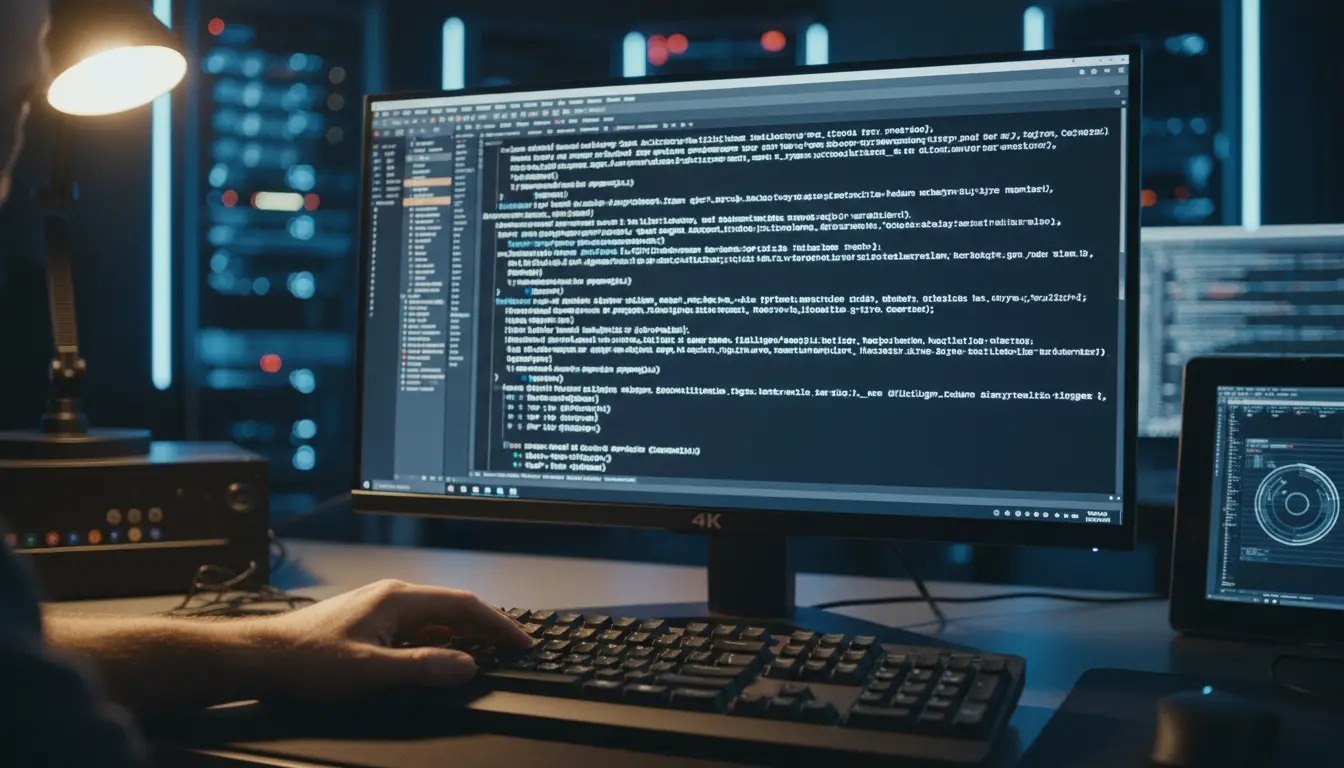
Is your software truly ready for the Turkish UI collapse risk?
Broken layouts and hidden hard-coded strings can ruin your Turkish market entry and triple your bug-fixing costs if found too late
Expansion Disruption
Turkish strings often expand up to 30%, causing catastrophic layout overlaps and functional navigation failure
Encoding Nightmares
Unique characters like 'İ' and 'ı' cause logic errors and database corruption if not pre-tested
Costly Re-engineering
Fixing hard-coded strings after deployment is ten times more expensive than finding them during pseudo-localisation cycles
Three Decades of Engineering Excellence
Why Turklingua is the trusted technical partner for the world's leading software development teams
With over thirty years in the Turkish language sector, we have seen every possible software breakage scenario. Our team acts as your technical vanguard, preventing deployment disasters before they happen.
As a Swiss Army Knife of Turkish services, we combine localization engineering with deep linguistic knowledge to provide a service that pure software houses simply cannot match.
Based in Istanbul, we offer institutional-grade reliability that helps global companies navigate the complex technical landscape of the Turkish market with complete confidence.
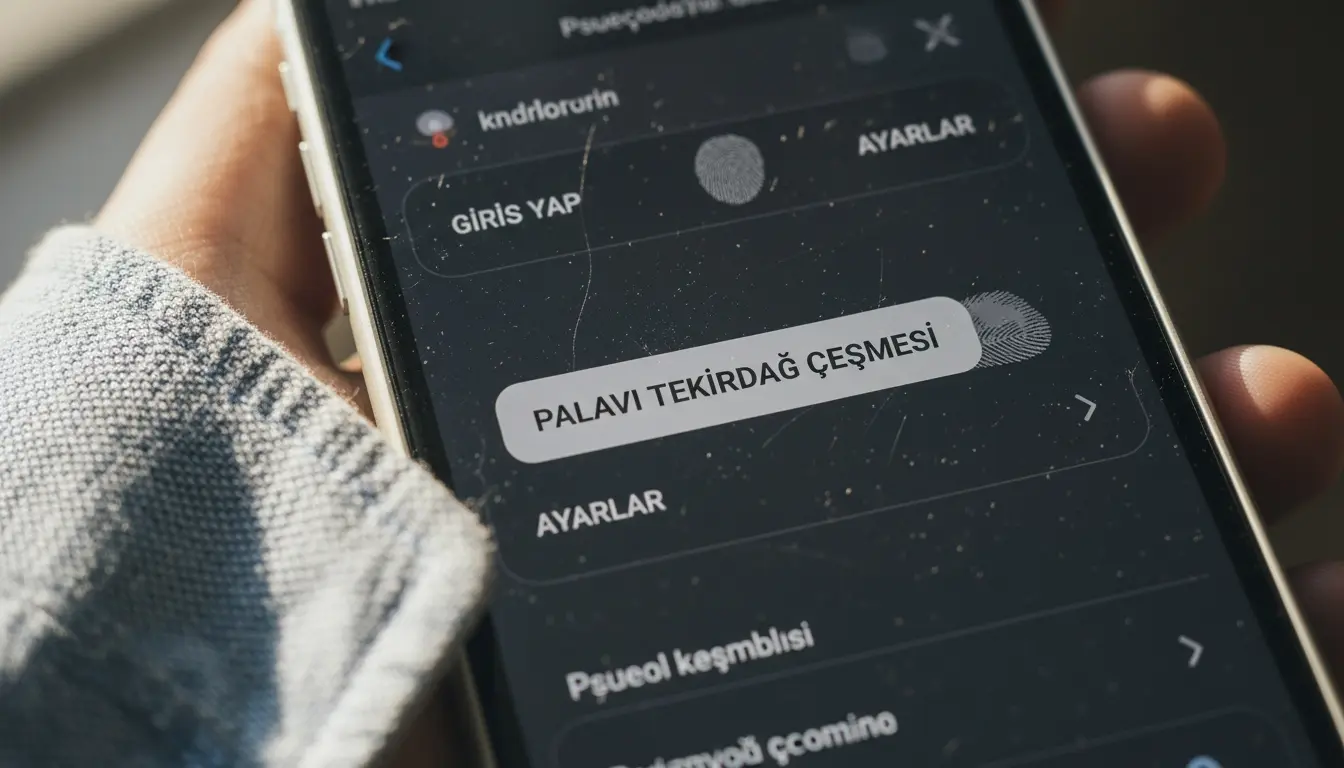
Precision Turkish Localization Engineering
We provide the technical foundation that ensures your software architecture is robust enough for the Turkish language
Linguistic engineering at Turklingua is about more than just swapping text; it is a structural stress test. We utilize proprietary tools to inject simulated Turkish syntax into your build, allowing your developers to see exactly where container overflows occur before a single word is translated.
Our technical architects focus on the unique challenges of the Turkish alphabet, specifically the dotted and dotless 'I' which often breaks case-conversion logic. By performing pseudo-localisation, we force these errors to the surface, ensuring your code handles character encoding with absolute 100% precision.
We integrate seamlessly with your CI/CD pipelines to provide a continuous feedback loop. This proactive approach identifies hard-coded UI elements that are normally invisible to developers but become glaring errors once the software is localized for the Turkish audience.
Supported Technical File Formats and Assets
Our engineering team handles complex resource structures to ensure no string is left behind
Everything you need to know about preparing your software for the Turkish market
Strategic Engineering Clarifications
What exactly is pseudo-localisation for the Turkish market?
It is a technical dry run where we replace your source text with simulated Turkish characters and expanded strings. This allows you to test if your software interface can handle the unique length and character set of Turkish without actually performing a full translation.
Why can't I just use a generic pseudo-loc tool?
Generic tools often ignore Turkish-specific expansion rates and the unique dotless 'i' issue. Turklingua uses customized algorithms tailored specifically to the Turkish language's grammatical structure to ensure your UI is truly ready.
How does this service save us money?
By catching UI bugs and hard-coded strings during development, you avoid emergency hotfixes and expensive re-engineering during the final localization phase when costs are significantly higher.
Do you need access to our full source code?
No, we typically only need your resource files or localization bundles. Our process is non-invasive and designed to protect your intellectual property while focusing on the linguistic layer.
Will this help with font rendering issues?
Absolutely. We test if your selected typography supports all Turkish diacritics. If the font doesn't, we identify the glyph rendering failures before you go live.
How long does a typical pseudo-localisation cycle take?
Depending on the string count and file complexity, we usually deliver a full breakage report within 48 to 72 hours for standard software projects.
Can you integrate with our Jira or GitHub workflows?
Yes, our engineering team is comfortable working within modern agile environments. We can report technical debt directly into your bug tracking systems.
Is Turkish a right-to-left language?
No, Turkish is left-to-right. However, our pseudo-localisation service is vital because Turkish character expansion is much more aggressive than in many other European languages.
Trusted by Global Engineering Leaders
We help the world's most innovative companies launch flawless Turkish software
Turklingua's pseudo-localisation audit uncovered critical UI truncation in our SaaS platform that our internal tools missed. Their technical precision saved us weeks of post-launch bug fixing.
Senior Localization Engineer
Enterprise Software
San Francisco, CA, USA
Working with Turklingua provided the architectural confidence we needed. Their engineering-first approach to Turkish diacritics ensured our database integrity remained intact during our Istanbul rollout.
CTO
FinTech
London, UK
The Swiss Army Knife of Turkish services indeed. Their stress testing of our game UI was flawless, identifying hard-coded strings that would have ruined the user experience.
Product Manager
Mobile Gaming
Seoul, South Korea
Global Partners in Software Excellence





Continue the Research
Related Turkish language risk, compliance, and localization resources.
Related Industry Sectors
Related Services