Elevate your Heritage Preservation with Turkish Expertise
Your heritage deserves more than a literal conversion; it requires a profound understanding of Turkish history to resonate with discerning global audiences and scholarly circles
Request Your Strategic Translation Quote
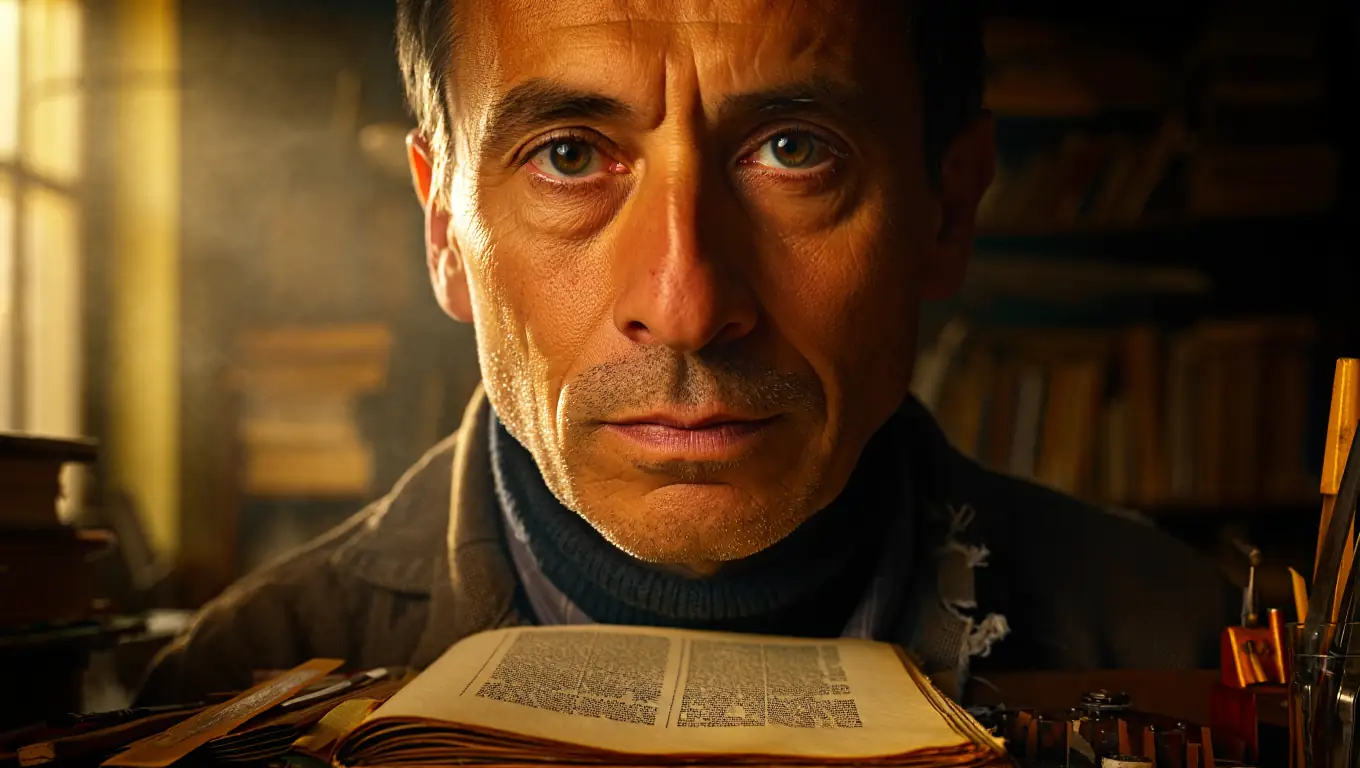
Could a Sloppy Turkish Translation be Quietly Eroding the Profound Historical Integrity of Your Museum Collections?
Misinterpreting a single artifact's description doesn't just confuse visitors; it compromises the academic credibility of your entire institution and distorts the historical narrative of Turkish culture
Linguistic Erosion
Poorly translated texts can alienate scholars and lead to irreversible damage to institutional reputation
Contextual Failure
Missing cultural nuances in Turkish history often results in factually incorrect public exhibition displays
Digital Inaccuracy
Inaccurate metadata breaks searchability, making your valuable Turkish collections invisible to the global research community
Why Global Institutions Choose Turklingua
Preserving Turkish history with academic-level accuracy
With over three decades of unrivaled experience, we have established ourselves as the preeminent provider of Turkish language services for the world's most respected cultural institutions and heritage organizations.
Our Istanbul-based headquarters places us at the epicenter of history, allowing us to maintain intimate connections with Turkish cultural nuances that foreign agencies simply cannot replicate.
We strictly adhere to ISO-aligned quality assurance, ensuring that every scholarly translation is peer-reviewed by experts who understand the specific terminology of Turkish archaeological and museum documentation.
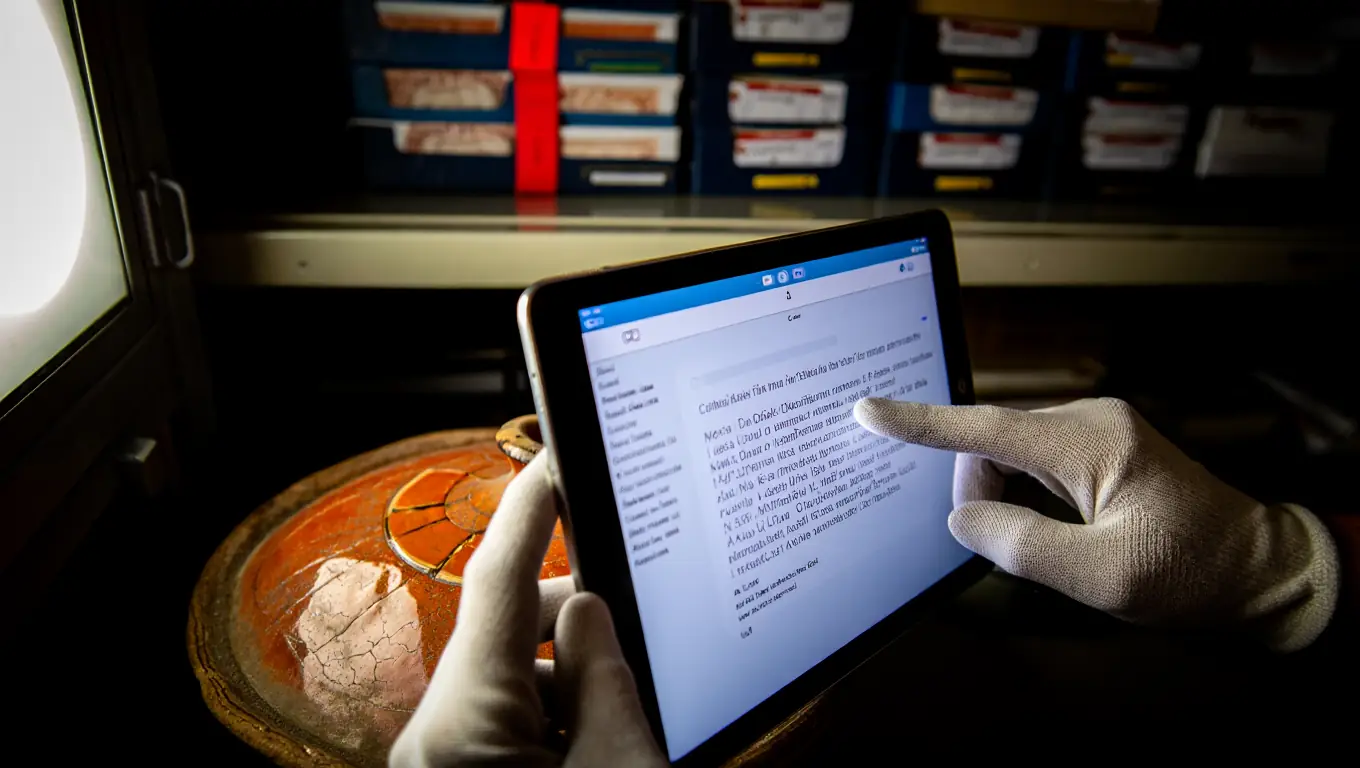
Mastering the Lexicon of History
Curatorial-grade Turkish linguistic solutions
Navigating the complexities of Turkish cultural heritage requires more than just language skills; it demands a deep immersion in the historical timeline. At Turklingua, we provide subject-matter expert translation that respects the weight of every word, ensuring that your museum's documentation maintains its authoritative voice across all borders.
Our team consists of seasoned linguists who specialize in archaeology, art history, and museology. We understand that Turkish documentation often spans centuries, from Ottoman scripts to modern archaeological findings. We bridge these gaps by applying rigorous terminological checks that reflect the latest academic standards in the global heritage sector.
We don't just translate; we localize the experience of history. Whether you are preparing a multi-city exhibition or digitizing ancient archives, our professional Turkish human translation ensures your content is accessible, accurate, and evocative. We treat every document as a cultural asset, preserving the sanctity of the original narrative for the next generation.
A Proven Protocol for Preservation
Our meticulous Turkish documentation lifecycle
Project Scoping
We begin by analyzing the historical context and identifying the specific dialect or technical requirements of your Turkish museum documentation
Terminology Harvesting
Our experts create a specialized glossary of Turkish heritage terms to ensure absolute consistency across catalogues and exhibition signage
Scholarly Translation
A subject-matter expert performs the initial translation, focusing on nuanced interpretation rather than just word-for-word conversion
Linguistic Peer Review
The text undergoes a rigorous editorial check by a second senior linguist to verify academic accuracy and stylistic flow
Cultural Sensitivity Check
We review all content to ensure cultural appropriateness and relevance for the target Turkish or international audience
Final Quality Audit
A final assessment is conducted to ensure the technical formatting aligns with your museum's publication or display standards
Expert answers on Turkish cultural documentation
Strategic Clarifications
Can you handle Ottoman Turkish manuscripts and archival records?
Yes, we specialize in transcribing and translating Ottoman Turkish documents. Our linguists possess the specific paleographic skills required to decode complex scripts and convert them into accurate modern Turkish or English, ensuring that the historical context is fully preserved for modern academic and public use.
How do you ensure terminology consistency across large museum collections?
We utilize advanced translation memory tools and institutional-specific glossaries. By creating a centralized linguistic database for your museum, we guarantee that every mention of a specific artifact or historical period remains identical across exhibition panels, audio guides, and printed catalogues, maintaining your institutional authority.
What is the typical turnaround for an exhibition catalogue?
Timelines vary by complexity, but we prioritize adhering to exhibition deadlines. We typically provide a phased delivery schedule, allowing your curators to review sections of the Turkish translation as they are completed. This collaborative approach ensures that even the most massive catalogues are ready for the opening night.
Do you provide certified translations for archaeological loan agreements?
Absolutely, we provide notarized and sworn translations for legal documentation, including international loan agreements and insurance papers. Our Turkish translations are recognized by customs authorities and legal entities worldwide, ensuring that your valuable artifacts move seamlessly across borders without administrative delays.
How do you handle audio guide scripts and multimedia content?
We offer full-service multimedia localization. Beyond simple translation, we adapt scripts for natural speech patterns in Turkish and can provide professional voice-over talent. This ensures that your museum's audio experience is engaging and immersive for Turkish-speaking visitors, rather than sounding like a dry read.
Can you work directly within our digital archive software?
Our technical team is proficient in various CMS and archival platforms. We can translate metadata fields and item descriptions directly within your system, preserving the structural integrity of your digital database while ensuring your Turkish collections are fully searchable in multiple languages.
Are your translators familiar with specific archaeological periods?
We match your project with specialized Subject-Matter Experts. Whether your documentation focuses on Neolithic sites, Roman ruins, or Seljuk architecture, we assign linguists with relevant academic backgrounds. This ensures that the technical vocabulary of the specific era is used correctly and professionally.
How do you protect the confidentiality of rare or unpublished research?
We maintain strict non-disclosure agreements and use secure, encrypted servers for all file transfers. We understand the sensitive nature of unpublished archaeological finds and archival discoveries, and we treat every Turkish document with the highest level of security and institutional privacy.
Proven Impact in the Cultural Sector
What curators say about our Turkish translations
The Turkish translation of our Mediterranean collection was flawless. Their team captured the scholarly tone perfectly for our international catalogues
Senior Curator
Museum of Art
New York, NY, USA
We trusted Turklingua with sensitive Ottoman records. Their expertise in historical terminology is truly unmatched in the Turkish language market
Head of Archives
Historical Research Center
London, UK
The Turkish audio guides were a massive hit. Their attention to cultural nuance made the history come alive for our visitors
Director of Exhibits
National Archaeological Museum
Berlin, Germany
Trusted by the World's Leading Museums

Continue the Research
Related Turkish language risk, compliance, and localization resources.
Related Industry Sectors
Patient Record Translation
Focus: Medical Documentation
Adhesives & Sealants Translation Services
Focus: Technical Chemical Translation
ADR & IMDG Dangerous Goods Translation
Focus: Dangerous Goods Compliance